Bad Bunny delivered a historically significant and deeply symbolic Super Bowl Halftime show on February 8, 2026, at Levi’s Stadium, which resonated powerfully with the Latino community. It was more than a simple musical set; the performance was a profound love letter to Puerto Rico, broadcasted during America’s most-watched event. Notably, he was the first solo artist to perform the event almost entirely in Spanish, a detail that provided a deep emotional connection and comfort in difficult times. His personal additions and twists truly amplified the message’s impact.
The timing for this performance was exhilarating. He was fresh off a Grammy win for an album loved by many, “DeBÍ TiRAR MáS FOToS,” and making an appearance at a moment when Latino communities are facing heightened political injustice.
Benito highlighted an intimate submergence into the daily life and struggles of where he’s from, Puerto Rico. What made the performance land so deeply impactful was not just the appearance; it was the man in the center. He moved through the set not like a celebrity star, but like a warm smile welcoming you into their very own home. His presence was filled with a rich vibrance that radiated within the set. The set featured a coconut water stand, domino players, and piraguas (shaved ice) with syrups that were intricately chosen to represent the Latin American flag.
This creative approach was to showcase authentic pieces of what he sees in everyday life.
The audience, myself included, was stunned when Lady Gaga unexpectedly appeared on the set. She presented herself in a beautiful blue dress, paired with the flor de maga, Puerto Rico’s official flower, pinned to her chest. This was an intimate moment; one of the most iconic Super Bowl halftime performers from her own 2017 show was stepping into the background of someone else’s story. But this was precisely the point. When they sang together, it was not a competition. She ceded the spotlight to a man performing in a language she had not spoken, on a stage she once performed on. Her presence there spoke for itself. This very moment was bigger than her now. It was bigger than any of us.
For two minutes, their voices in English and Spanish intertwined, transforming the cultural tension that had simmered beyond the stadium walls into harmony. In a touching moment, a real-life couple got married on stage with Bad Bunny capturing every moment of a joyful celebration of love and family.
He danced with abuelas, wiping the sweat from his face, laughing as if he couldn’t quite believe he was really there. Then, kneeling down, he looked at the little boy, a reflection of his younger self, directly in the eyes as he handed over his Grammy. In that profound moment, he was no longer an icon passing down glory, but a son, showcasing to the next generation the immense power of endless possibilities.
When he climbed the electrical pole during El Apagon, he was not expressing anger as people may have thought, but he was performing survival. His body became the body of Puerto Rico, resilient and refusing to break.
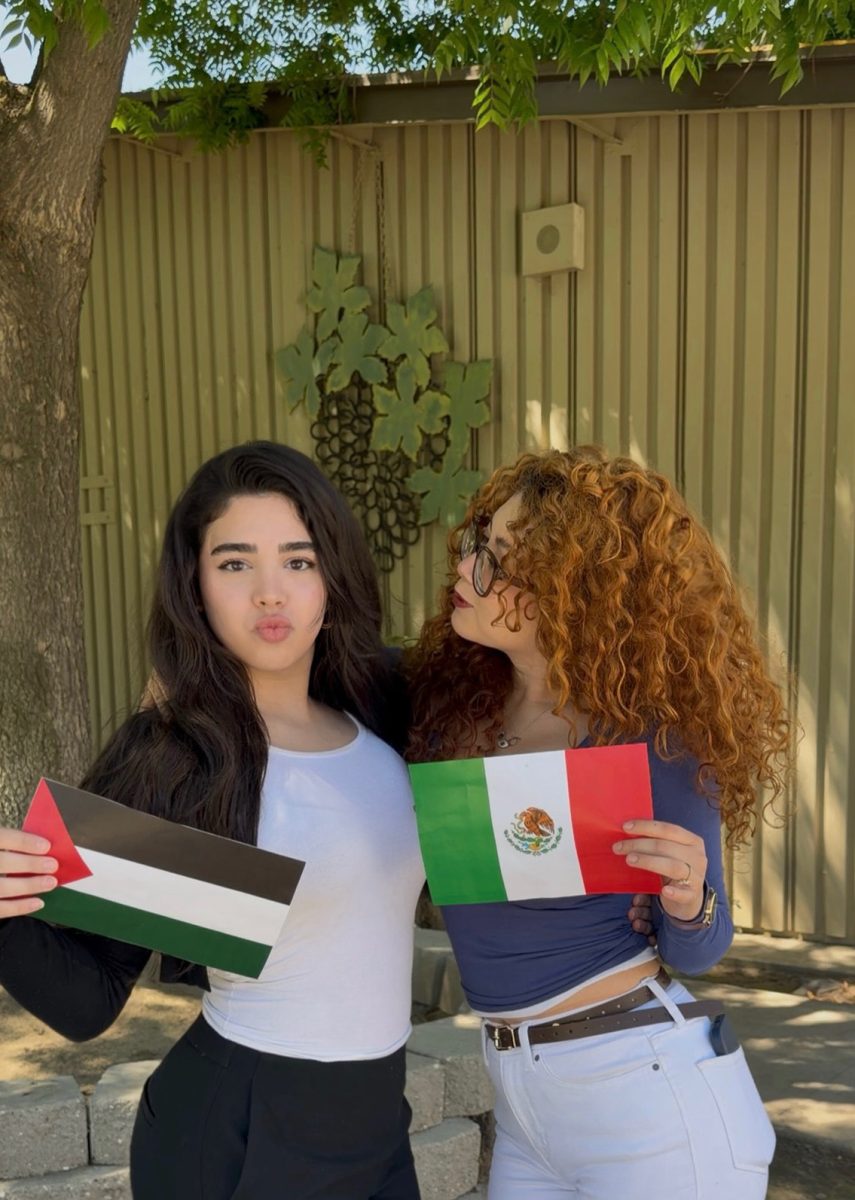
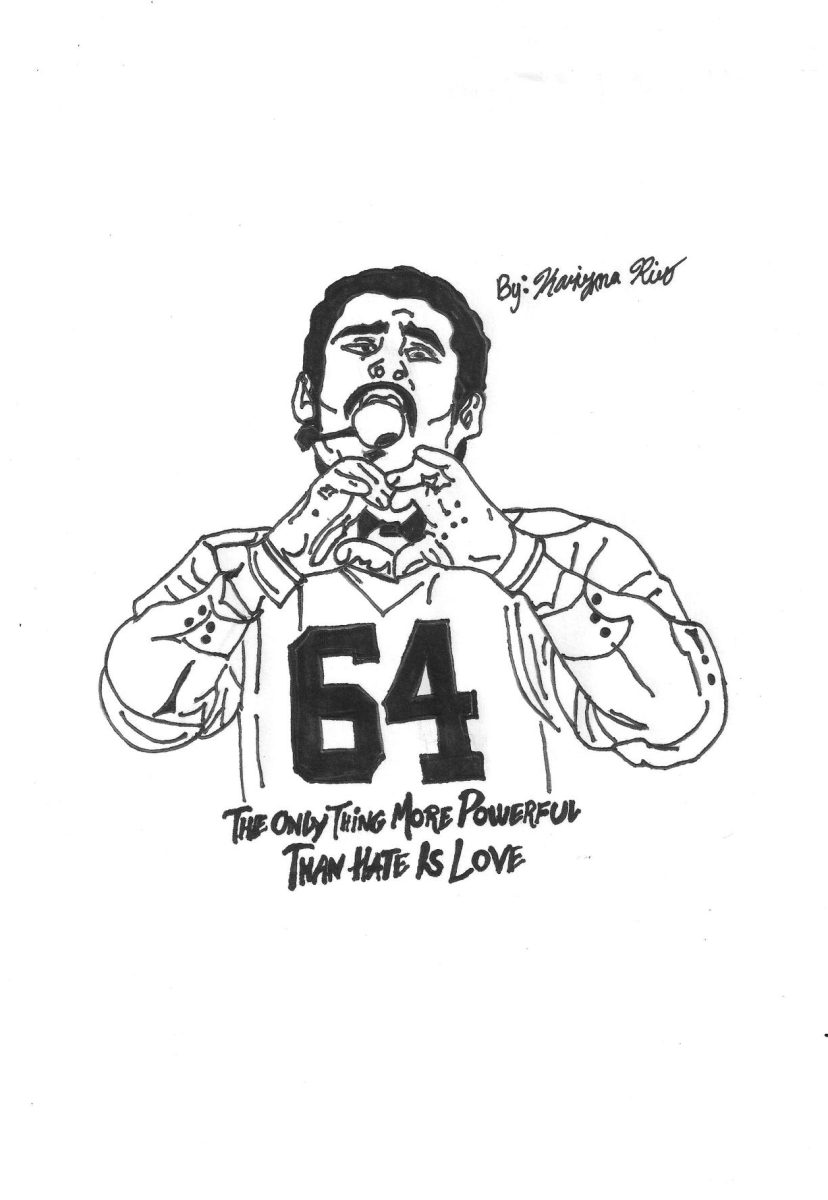
And just like that, the Super Bowl came to an end. Bad Bunny walked through the tunnel with flags raised above him, not just Puerto Rico’s light blue. Not just the stars and stripes. All of them. Mexico, the Dominican Republic, Colombia, Venezuela, Cuba, El Salvador, Honduras, Guatemala, Argentina, Chile, Peru, Ecuador, Brazil, Panama, Costa Rica, Nicaragua, Bolivia, Paraguay, Uruguay, and Spain. He allowed the moment to expand, absorbing the realization. These were not just representations; they were people, the very hands that cooked meals, built homes, tended gardens, and nurtured the children of a nation that too often neglects to show gratitude. This was not about a flag hoisted on a pole; it was about people finally being acknowledged. He made it visible for everyone that an artist’s purpose is always to incite change. The true walkout is not one person leaving, but millions choosing to remain. And above them all, those thirteen words continued to burn bright: The Only Thing More Powerful Than Hate Is Love.