Family, hope, and spirit is what lights up the Diwali night skies on October 21st, 2025. Diwali has not only one meaning with one name, but takes up different forms depending on religion; Dipalika (Jainism), Deepavali (Hinduism), and Bandi Chhor Divas (Sikhi). Diwali has a multitude of meanings, yet all symbolize the victory of good over evil. That when darkness surrounds them, they must find a hope to light their paths in life. Diwali is that one day where we all take a step back from this chaotic world and enjoy the hope that surrounds them.
Diwali is celebrated by Jains, Hindus, and Sikhs not only in South Asia, but also around the world. Jains honor this holiday which they call Dipalika, for it is the day when Lord Mahavira, the 24th and last of the Jain Tirthankaras (Jain Saint) reached enlightenment. Showing that, goodness can be found within a person.
Hindus celebrate Deepavali to commemorate the day Lord Rama and Lady Sita return from exile after their battle with Ravana. Lord Rama and Lakshmana were exiled from Ayodhya by the Kaikeyi, after Kaikeyi falsely accused Rama for adultery, in hopes to have her son next in line for the throne. Lady Sita, Rama’s wife, out of love and devotion for her husband, went into exile, even though she was not permitted to. They stayed in exile for 12-14 years, where Sita was abducted by Ravana. Rama rescues Sita and defeats Ravana. The news of Rama, Sita, and Lakshmana returning excited the people of Ayodhya. The people light Diyas (clay candles that you put oil and cotton into ) along the path to the castle for their rightful heir. Rama forgave Kaikeyi and became the king of Ayodhya. His journey and return demonstrated that kindness and righteousness always triumph over the darkness brought upon us.
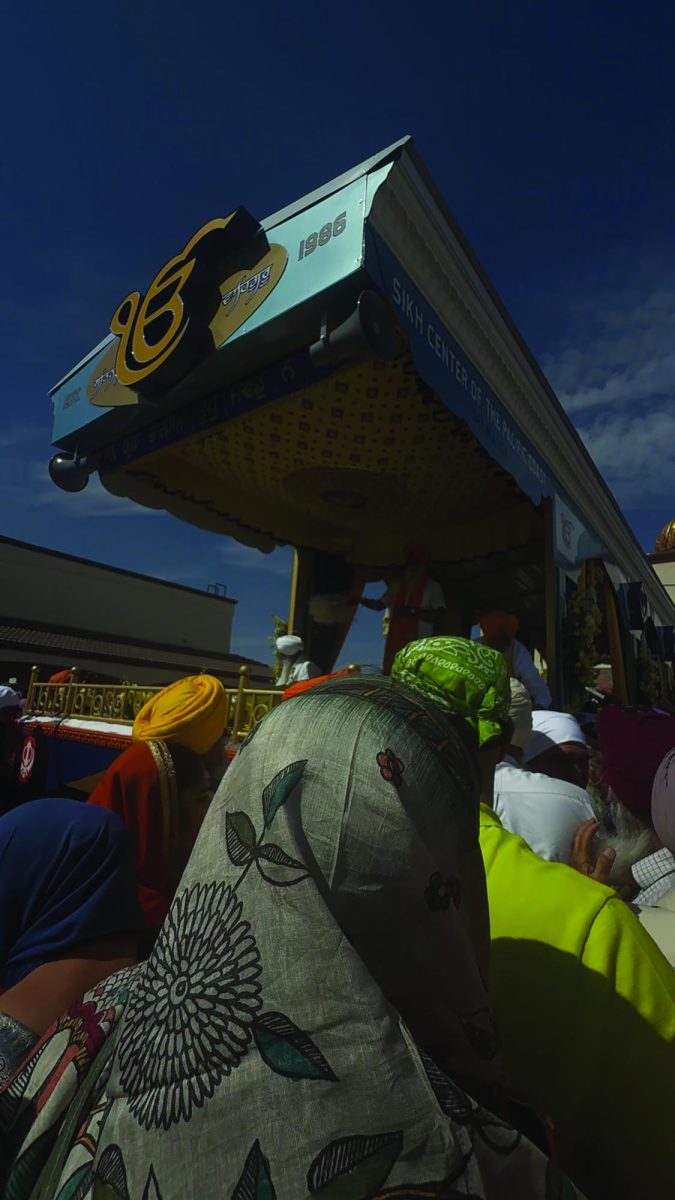
In Sikhi, Bandi Chhor Divas marks the day Guru Hargobind Sahib Ji (Sixth Sikh guru) and 52 other Hindu princes were released from Gwalior Fort prison. Under the rule of Mughal Emperor Jahang in 1609, Guru Hargobind Sahib Ji was imprisoned for his father’s unpaid fines to the Mughals and his training of the Sikh people to be not only spiritually strong but to be equipped for physical combat. This struck fear in Emperor Jahang’s heart and led him to imprison Guru Hargobind and 52 other Hindu princes for proposed political threats. They were imprisoned for ten years until October 1619, when Emperor Jahang offered Guru Hargobind to leave, but he refused to leave without the other 52 princes. Emperor Jahang agreed to let go of the princes under the condition that only the ones holding Guru Hargobind clothes can be released. Guru Hargobind outwitted the Emperor, by having a clock made for him with 52 tassels, so all 52 princes could hold on and leave the jail cell. The people of the city light the path of Guru Hargobind and the princes with diyas. The diyas illuminated the path of justice and compassion over the corruptions and fear of the world.
“We light diyas in the evening to mirror the lights that lit up the city of Amritsar when our sixth Sikh Guru, Guru Hargobind Sahib ji got released from imprisonment,” states Sukhmoney Kaur, Punjabi Club Treasurer.
These stories live in the hearts of the people around the world. Even though they celebrate for different reasons, the holiday brings them all together. No matter the caste, family, or race, the holiday brings all to see the same hope. The hope of a brighter year. Sharing food, religious hymns, watching fireworks, and lighting Diyas together. Many cherish this “Festival of Lights,” making time out of their busy schedules to come together and light up the night sky.
“[I] get family together and share sweets with others to spread love [on Diwali],” expresses Narinder ‘Nick’ Sahota, SUSD Board President.
This holiday takes place every year during the month of October. As many grow and develop, the light of the holiday starts to change. As a child, you are told the stories of these tales and they mean nothing to you. All you see is your friends and food. Just a day with extra steps is how it appears in the eyes of the children, but as we go through life the view changes. We experience heartbreak, loss, fear, and many more human experiences with more steps we take into life. Life gets out of control and we have a sight of hope. Diwali allows us to see the forgotten meaning of life.
“When I was younger, Diwali was mostly about fireworks and sweets. But as I’ve grown older, I’ve started to understand the deeper meaning — it’s about light, peace, and family. Now I focus more on helping my parents, celebrating Guru Hargobind Sahib ji’s release from imprisonment. It reminds me to be thankful for everything Waheguru has blessed us with and to spend time with family,” recalls Sukhmoney Kaur.
Diwali is a festival of laughter, hope, and joy. The smell of Chai and Rotis fill the air as the lit cotton wick lights the dark night sky. Beginning next year, Diwali will be acknowledged as an official government holiday in the State of California, bringing recognition to this cultural celebration.